
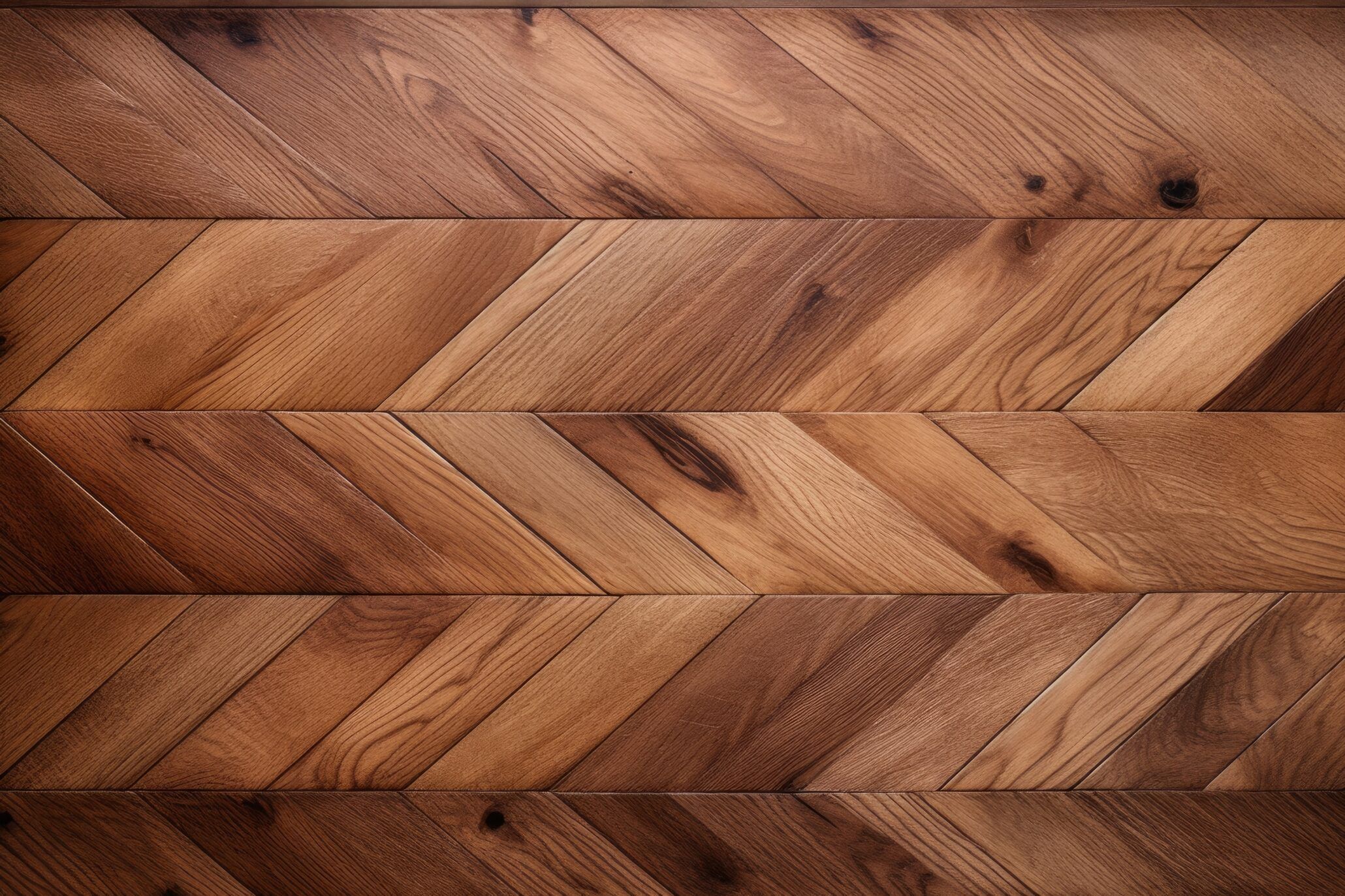
Since sustainability has been given a central place in interior design and construction, materials used to practice eco-friendly behavior are gathering more and more attention. 3D laminates (3DL) are gaining momentum among designers and builders who value sustainability without sacrificing beauty, design, or performance.
Offering both functionality and an environmentally conscious edge, 3D laminates are revolutionizing how we think about design materials. Explore how 3D laminates are sustainable, their environmental benefits, and why they are a smart choice for eco-friendly projects.
What Makes 3D Laminates Sustainable?
3D laminates are made using state-of-the-art manufacturing techniques in three dimensions on the surface. Made from high-quality, durable materials such as melamine, high-density fiberboard (HDF), and recycled PET film, 3DL offers a sustainable alternative to traditional materials like wood, stone, and metal. Below, we’ll explore the key features that make 3D laminates a green choice for modern interior design.
- Use of Recycled Materials: Several manufacturers of 3D laminates use recycled materials, greatly decreasing the environmental impact of the final product. Examples are 3D laminates produced from ReCover PET film, another recycled material. These laminates reduce plastic waste and offer a recyclable alternative surface solution for various applications. Using recycled content helps minimize the depletion of natural resources, supports a circular economy, and reduces landfill waste.
- Low-Emission Production Processes: 3D laminate production is also often based on low-emission manufacturing processes that will result in lower pollution levels than many material counterparts, such as concrete or metal. With less reliance on harmful chemicals and fewer emissions, 3D laminate production ensures a cleaner and greener manufacturing process.
- Durability and Longevity: The durability of 3D laminates is another factor that contributes to their sustainability. In contrast to materials that get worn out, 3D laminates are by far the most resistant to wear and tear, scratching, and discolourization. Therefore, 3DL surfaces should preserve their aesthetic and functional properties for a greater duration by reducing the need to be replaced or repaired and thus prolonging the service lifecycle of the materials.
- Energy Efficiency: 3D laminates are also light and, therefore, easier to transport and handle, which can further reduce the associated energy consumption from shipping and installation. Furthermore, their low-maintenance surfaces do not necessitate strong cleaning chemicals, and the environmental footprint of their maintenance is further lessened.
Environmental Benefits of 3D Laminates
Apart from the green production process, 3D laminates provide an array of environmental advantages that position them as the preferred solution for environmentally friendly applications:
- Recyclability: Most 3D laminates are 100% recyclable, making them promising for use in sustainable design. These laminates can be repurposed and reused at the end of their lifespan, ensuring that materials do not end up in landfills. This enables a circular economy transition by reprocessing and regenerating materials into new items.
- Reduction of Wood Usage: 3D laminates enable designers to decrease the need for flexible raw wood products, thus [still] playing an essential role in forest management and animal welfare. Laminates allow the production of the feel and look of wood, stone, and other materials, offering sustainable alternatives to natural materials that may be over-harvested or exhausting to replenish.
- Low Maintenance Requirements: 3D laminates are developed for easy cleaning and maintenance, so they have a low frequency of replacements. Their surfaces resist dirt, stains, and moisture, requiring fewer cleaning products and less water. This leads to a more eco-friendly approach to managing the materials over longer periods.
- Sustainable End-of-Life Options: A few producers are also making further efforts to allow their 3D laminates to be disposed of in an environment-friendly way at the end-of-life stage. In particular, laminates made from bio-based resins or eco-friendly contact adhesives play a role in minimizing the material’s carbon footprint over its lifecycle, from manufacturing to end-of-life.
Why Choose 3D Laminates for Sustainable Design Projects?
With sustainability a major focus in construction, interior design, and product development, 3D laminates are increasingly valued for their sustainability properties. These are just a few reasons why 3D laminates are the solution for sustainable design projects.
- Aesthetic Flexibility with Eco-Friendly Materials: A sustainable idea does not have to mean that design is undesirable. 3D laminates provide an amazing variety of patterning, texture, and finishes, enabling designers to achieve aesthetically pleasing spaces while being environmentally sustainable. Advanced 3D laminates, from ultra-clean, modern effects to wood-grain patterns, can meet various design stylistic demands while complying with environmental requirements.
- Cost-Effective Sustainability: 3D laminates are an economical, eco-friendly, and sustainable option for interior design. They are often more affordable than solid wood, stone, or other traditional materials while providing similar aesthetic and functional benefits. This makes them perfect for designers and project managers who want to achieve green results without exceeding their budget.
- Versatility Across Applications: Whether designing for residential, commercial, or hospitality spaces, 3D laminates can be used in various applications, including furniture, cabinetry, wall panels, and countertops. Their broad application possibilities allow them to be used in multiple applications, including sustainable homes and green office areas. These applications lead to environmentally sustainable interiors that comply with demanding design and performance criteria.
- Meeting Green Building Standards: Adding 3D laminates to a design can help get green building certifications such as LEED (Leadership in Energy and Environmental Design). Because 3D laminates are sustainable materials, carbon footprint minimization, and recyclable, they can be a good choice for those who want to achieve or exceed green building requirements.
The environmental friendliness of 3D laminates renders them the most suitable option for those who want to minimize their footprint without compromising aesthetics, function, or design potential. Recycling PET film to long-lasting, hard finishes, 3D laminates deliver an environmentally-friendly option to conventional materials and offer the aesthetic properties used today in contemporary interior design. Their multifunctionality in various fields, ease of maintenance, and recyclability make them a visionary solution for a broad range of sustainable design applications. Don’t miss out on our other options, like textured laminate.
We assure you that we provide the best quality, sustainable, and green 3D laminates to satisfy the ever-increasing demand for eco-friendly solutions in interior design. Whether you’re working on a commercial, residential, or hospitality project, our products ensure that your designs are as sustainable as they are stunning. Contact us today for more information.

Comments are closed.