
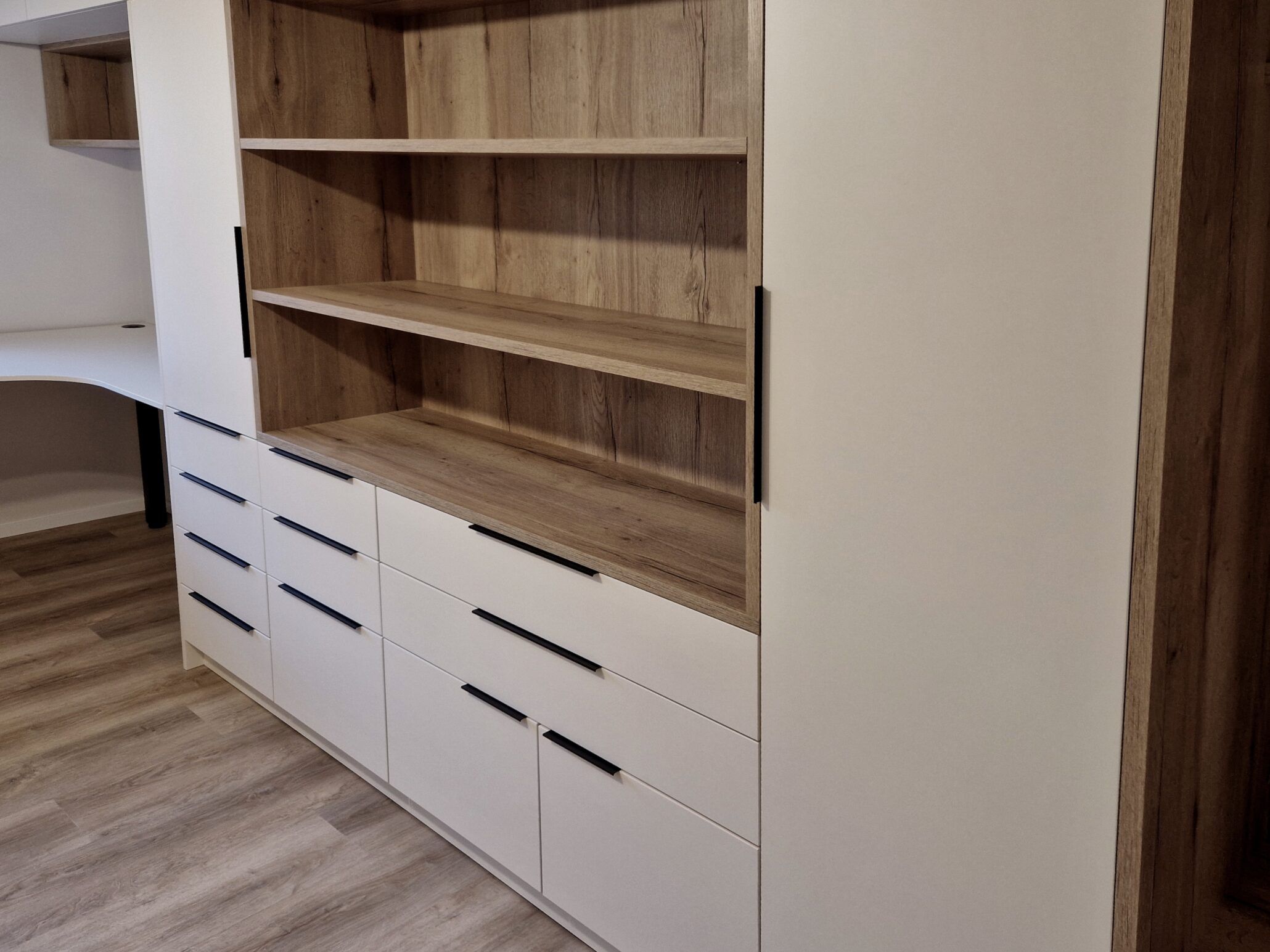
With the increasing demand for sustainable materials in interior design, 3D laminates (3DL) are rapidly becoming popular for their eco-friendly characteristics. However, like any material, their environmental impact can vary depending on several factors in production and use.
We at SSI North America are dedicated to providing high-performance, environmentally friendly, sustainable laminates that lower environmental impact without compromising the functional and aesthetic features that our clients require. We will explore five key levers that can help reduce the environmental impact of 3D laminates, ensuring a more sustainable future for the design and construction industries. At SSI North America we offer many laminate options, including high gloss laminate.
1. Use of Recycled and Renewable Materials
The best way to reduce the environmental impact of 3D laminates is to use recycled and renewable materials. At SSI North America, we emphasize incorporating post-consumer recycled content (ReCover PET film, etc.) to decrease waste and consumption of raw materials. We offer environmentally friendly laminate options to fit your needs and the environment best.
Joining recycleBy adding to the manufacturing of 3D laminates, we help to prevent and prevent plastics and to promote a clear economy where materials can be recycled instead of being thrown away from the recycled products, renewable materials (e.g., bio-based resins), and (through-coats) adhesives, can help us to minimize product footprint on the environment (especially PFOS and PFOA types, commonly found in processed fossil fuel products). These constituents are natural in origin, such as plants, thus decreasing petrochemical dependence and sustainability in laminate production.
2. Eco-Friendly Production Processes
One of the most important levers in mitigating the environmental footprint of 3D laminates involves process optimization for eco-friendly production. The energy-saving and low-emission production methods that manufacturers emphasize can greatly reduce the carbon produced in manufacturing 3D laminates. This reduces energy usage in the pressing, bonding, and curing processes.
At SSI North America, we ensure that our laminates are produced using state-of-the-art equipment designed to be energy-efficient and emit fewer emissions than traditional manufacturing methods. This reduces the environmental impact incurred in production and the long-term ecological footprint of the final product.
3. Durability and Longevity
The lifespan and resistance against degradation of 3D laminates walk a fine line; consequently, it is essential to reduce the environmental footprint as much as possible. As expected, with an increased lifespan, the material will likely not require replacing as often, thus decreasing the demand for raw materials and general waste. 3D laminates are known for their resistance to wear and tear, scratches, and fading, ensuring they maintain their appearance and functionality for an extended period.
3D laminates provide a more sustainable solution by offering an enduring surface that requires less maintenance and replacement than other materials that may degrade over time. This, in turn, reduces environmental degradation, as fewer materials are used for repair or replacement.
4. Efficient Transportation and Packaging
Transportation and packaging environmental performance is yet another process that can be optimized to mitigate the carbon footprint of 3D laminates. Because 3D laminates are usually light and manageable, they can be transported more easily than heavier, solid materials. This reduces fuel consumption and associated emissions during transit.
In addition, eco-friendly packaging has an important contribution to reducing waste. At SSI North America, we rely on recyclable and biodegradable packaging materials so that our laminates would leave their surroundings with a small footprint in environmental terms. Concentrating on the entire lifecycle of our products, covering transport and packaging, enables us to make a more sustainable process from beginning to end.
5. End-of-Life Recycling and Repurposing
An important benefit of 3D laminates is that they are recyclable at the end of their operational life. Various 3D laminates can be reused or recycled, and their contribution to landfill waste is lower. By choosing 3D laminates that are easily unmounted and recycled, designers and architects can help towards a circular economy whereby material is continuously reused and not destroyed.
SSI North America strives to provide sustainable end-of-life solutions for our laminates, such as recycling programs for customers who seek environmentally conscious disposal of their end-of-life materials. Therefore, we invite designers to consider ecological implications by considering the life cycle of their laminate options, from raw material to end-of-life.
How These Levers Work Together to Reduce Environmental Impact
These five levers—recycled and renewable materials, eco-friendly production processes, durability and longevity, efficient transportation and packaging, and end-of-life recycling—work together to minimize the environmental impact of 3D laminates. Alone or collectively, these actions support the ultimate sustainability of the final product, providing an environmentally friendly product while maintaining the quality, design freedom, or performance of the final laminate.
Designers, architects, and constructors can benefit from these sustainable features by including 3D laminates. By carefully selecting laminates manufactured ethically and responsibly and using materials, you can contribute to a sustainable future while still achieving the stylish results you want.
The environmental footprint of 3D laminates is mitigated through a whole-life cycle perspective, where each stage of the product cycle minimizes its carbon footprint. Through recycling raw materials, eco-friendly production, the lifetime of the goods in clay and paper, optimization of transport and packaging (which help to avoid total waste), and recycling at the end of life, 3D laminates can represent a more sustainable solution than conventional design materials.
At SSI North America, we are committed to offering sustainable solutions to our clients and constantly working to improve the sustainability of our products. By choosing 3D laminates for your next design project, you can be part of a movement that prioritizes stunning design and environmental responsibility. Contact us today for more information.

Comments are closed.