
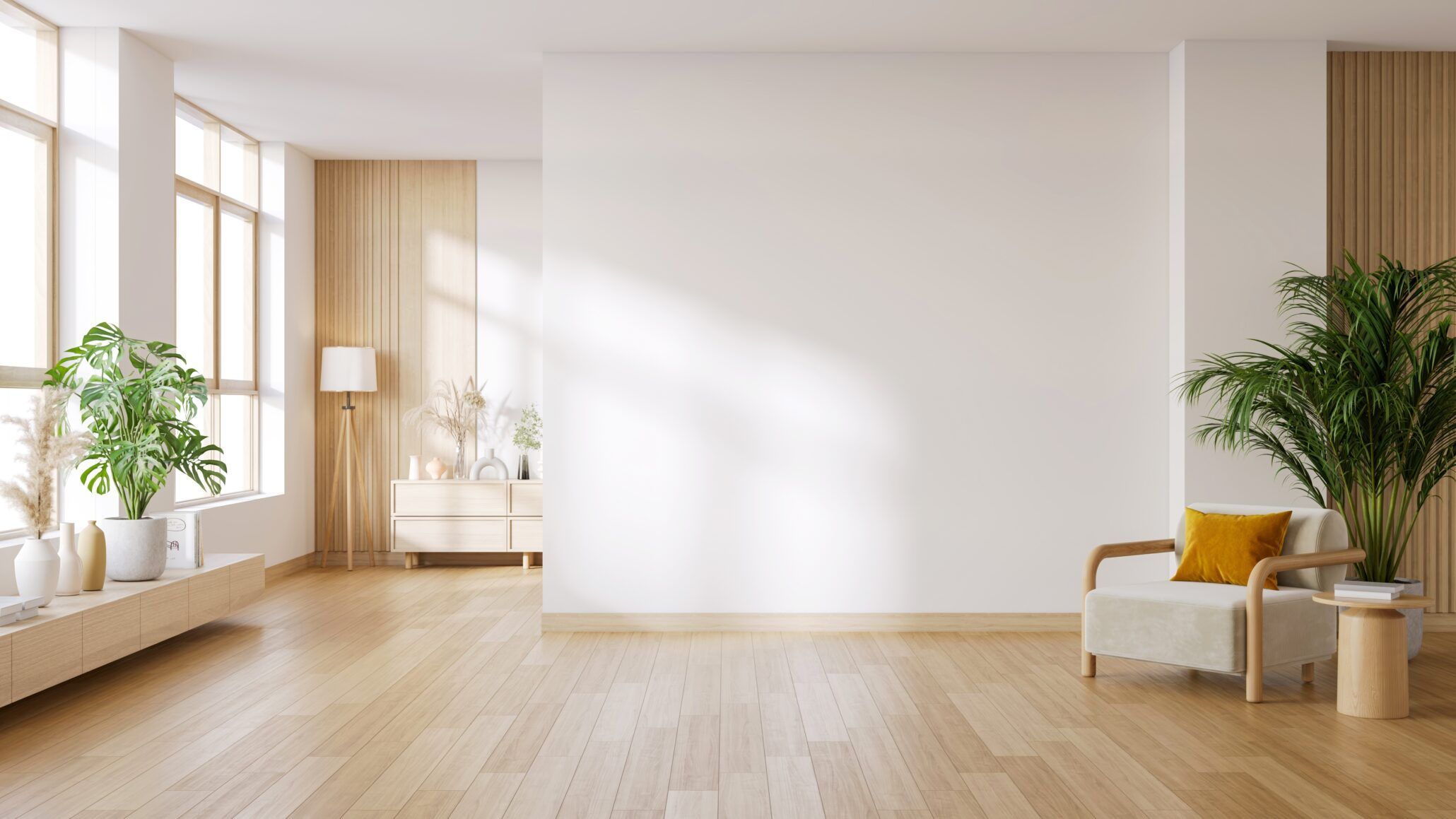
The wellness megatrend is more than just a fad—it’s a global movement transforming how we live, work, and design our spaces. As the emphasis on physical, mental, and emotional health increases, more and more people are looking for places that help with health, equilibrium, and relaxation. Nevertheless, this health-conscious attitude to design strongly influences interior design, especially regarding materials and products for building a unified context. In this blog, we’ll explore the wellness megatrend, its core principles, and how it influences the design of residential and commercial environments.
What Is the Wellness Mega Trend?
The wellness megatrend is based on the concept that our environment can dramatically affect our health and well-being. This trend aims to design settings that encouraging a healthier life through stress reduction, mental clarity, mood lift, and physical health. Attention is given to the relationship between mind and body and the environments we inhabit, and the assumption is that well-planned environments contribute to a sense of balance, productivity, and relaxation.
Key Principles of the Wellness Mega Trend:
- Biophilic Design: Combining natural elements (e.g., plants, natural light, organic materials) to build the feeling of being part of nature.
- Mindfulness and Meditation Spaces: Creating spaces that promote mindfulness, relaxation, and mental focus using peaceful and relaxing aesthetics.
- Sustainable and Healthy Materials: Using eco-sustainable and non-toxic materials promotes a safe and healthy indoor environment.
- Ergonomics and Comfort: Focusing first on comfort and correct ergonomics for better physical health and wellness.
- Improved Air Quality: Maintaining an optimal air exchange and including air-purifying plants or units that eliminate the agents’ spores.
How the Wellness Mega-Trend Is Influencing Interior Design
The wellness megatrend has had a hugely visible impact on interior design over the last few years. Designers are increasingly focused on creating environments where people share a common focus, resulting in an evolution of materials, color palettes, and design. The philosophy below is one of the main functions of the wellness trend in design.
- Natural and Sustainable Materials: Consumers and designers want to use materials that are beautiful and good for the body. Natural materials such as wood, stone, and bamboo are highly sought after because they yield a pleasant visual effect and improve indoor air quality. Eco-friendly materials, including recycled PET, low VOC paints, and eco-friendly laminated wood, are also rising because they contribute to a building’s carbon footprint.
- Indoor-Outdoor Connection: Biophilic design connects people to the natural world and is at the heart of the wellness movement. Vast windows, glass doors, and open-plan interiors that break down indoor-outdoor boundaries are increasingly used in wellness-inspired designs. Green walls, indoor plants, and natural materials also contribute to this feeling of association by inducing relaxation and restoration.
- Mindful and Relaxing Spaces: Wellness-oriented design stresses spaces that support relaxation, mindfulness, and mental alertness. This is reflected in the growing popularity of meditation rooms, yoga spaces, and quiet corners designed for reflection and tranquility. Soft, neutral color palettes, natural textures, and minimalistic designs help create environments that reduce stress and foster a sense of peace.
- Maximizing Natural Light: Natural light is one of the most critical factors in wellness design. Exposure to natural light improves mood, energy levels, and overall health. Designers continue to use large windows, skylights, and light wells to introduce as much natural light as possible into the interior space. Including light-colored items and shiny surfaces also boosts the light, resulting in bright, positive areas.
- Air Quality and Ventilation: With an increasing focus on indoor air quality, wellness-oriented designs prioritize airflow control and purification. Designers incorporate air-filtering plants, ventilation, and low-toxicity materials to create a healthier indoor space. This ensures that spaces look beautiful and promotes physical health by reducing harmful chemicals and pollutants.
The Role of 3D Laminates in Wellness Design
3D laminates are becoming more popular in design for wellness reasons because of their adaptability, visual attractiveness, and eco-friendliness. Using the capacity to imitate natural surfaces such as wood, rock, and marble, 3D laminates are part of a biophilic design trend by providing a way to bring nature indoors. These materials can be utilized in many ways, such as furniture, cabinets, wall panels, or even the floor. We also offer high gloss acrylic for designers and plenty of other options.
- Natural Textures and Finishes: 3D laminates are in stock with various textures that can provide a soothing, calming effect. From the pleasant warmth of wood to the clean sophistication of stone or the sheer smoothness of a matte finish, 3D laminates have the potential to bring the feel of nature to any environment, which can contribute to the wellness environment.
- Eco-Friendly Options: Many 3D laminate manufacturers embrace sustainability by offering laminates made from recycled materials or those with low environmental impact. These are ideal for wellness-oriented designs and align with the trend toward eco-friendly prototypes.
- Durability and Maintenance: 3D laminates are stylish, sustainable, incredibly durable, and easy to maintain. That is why they are perfectly suited for high-traffic areas like healthcare buildings or commercial offices, where hygiene and durability must contribute to a positive perception of well-being.
Why the Wellness Mega-Trend Is Here to Stay
With an increase in people’s health and wellness, the wellness megatrend will continue to influence the design industry. With increased awareness about the impact of indoor environments on physical and mental health, designers will keep innovating to create beautiful and beneficial spaces. Whether through sustainable materials, biophilic design, or advanced technologies, the wellness trend is reshaping how we approach interior design meaningfully.
The wellness megatrend is more than a design fad—it’s a fundamental shift toward creating spaces that foster health, happiness, and harmony. By using natural materials, enhancing air quality, and humanized cockpits, the architect transforms the spaces into sanctuaries that contribute to a healthy human mind. At SSI North America, we are happy to support this paradigm shift by providing creative materials such as 3D laminates that can assist in the realization of wellness-oriented design.
Discover our range of wellness-themed materials today and begin creating spaces that offer well-being and balance throughout our lives. Contact us today for more information.

Comments are closed.