
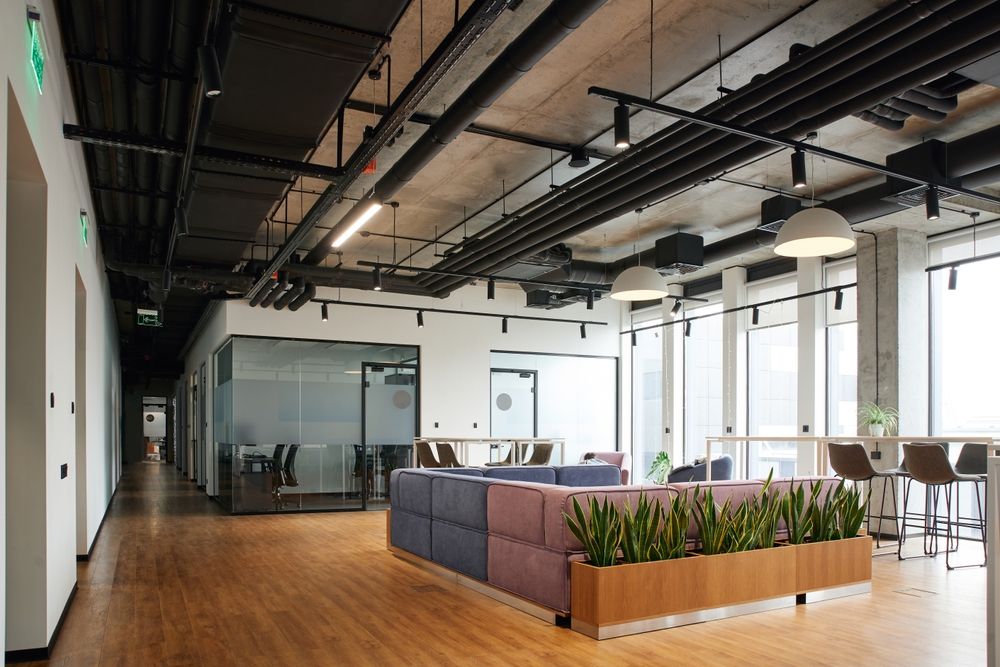
In today’s rapidly changing world, how we live and work is evolving. The Urban Nomad Mega Trend is a response to the increasing flexibility of the modern workforce and the growing need for adaptability in urban environments. As remote work, adaptive housing, and mobility toward individual freedom increase in prevalence, the idea of the “urban nomad” is becoming more common.
What Is the Urban Nomad Mega Trend?
The urban nomad megatrend is the transposition trend of a lifestyle model based on mobility and the flexibility of work and living environments. It aims to repeatedly move and change locations, often targeting young professionals. This phenomenon is defined by people who are not confined to one specific place and want to live in flexible situations that can change as new conditions arrive.
This change is, above all, the result of the popularity of remote work, the gig economy, and the demand for experiences rather than objects. Urban nomads usually space-hop cities, countries, or regions and often prefer to live in short-term rentals or co-living properties. They also need spaces that are adaptive, versatile, and supportive of work and play.
Key Characteristics of Urban Nomad Living
- Flexible Living Spaces: Urban nomads habitually occupy adaptive spaces from which their requirements can be met. Even a small room can have to perform multiple roles simultaneously as a bedroom, office, and dining room with little effort in switching from one role to another. This flexibility requirement is leading to the design evolution of interior spaces, where multifunctional furniture and transformable space layouts are becoming the norm.
- Technology Integration: Today’s urban nomad is extremely dependent on technology for work, interaction, and entertainment. Fast Internet, IoT (Internet of things) gadgets, and sophisticated technology integrations are the building blocks to provide a natural experience in both home and of-home environments.
- Aesthetic Appeal with Functionality: Although the need for flexibility is also there, urban nomads still want modern spaces, shapely spaces, and so on, features that suit their aesthetic personality. The trend towards minimalist, contemporary designs with clean lines and natural materials is prominent in their spaces. Yet, they can expand with textured laminates.
- Community and Collaboration: A key feature of the urban nomad lifestyle is the sense of community. Co-living areas, communal workspaces, and co-working areas enable urban nomads to meet others with similar values. These areas are intended to encourage collaboration and interaction through flexible workstations and common areas. As the demand for flexible living spaces grows, so does the need for materials and products that can adapt to various uses. 3D laminates fit this evolving trend perfectly, offering both versatility and aesthetic appeal in compact, multifunctional environments.
- Multifunctional Spaces: Urban nomads need spaces that can quickly transform from work environments to relaxation zones. 3D laminates are strong and flexible, allowing designers to create sophisticated, contemporary surfaces for furniture, wall coverings, and other surfaces. Their flexibility allows designers to craft spaces that can be easily transformed to suit changing needs without compromising style or functionality.
- Sustainable Design Choices: Environmental responsibility is one of many reasons why some urban nomads live in places consistent with their values. 3D laminates based on sustainable materials (i.e., recycled PET or low-emissivity) are a factor in Environmental friendliness. These eco-friendly materials are perfect for urban nomads looking to minimize their environmental impact while still enjoying modern design.
- Space-Saving Solutions: Urban nomads frequently occupy small or studio-type apartments, and the best use of space plays a significant role. Lightweight but robust, 3D laminates are suitable materials for furniture, cabinets, and partitions. With laminates, designers can furnish multifunctional furniture, such as a folding-board desk, concealed storage, or modular shelf structures, which provide space optimization and aesthetic appeal.
The Role of 3D Laminates in Urban Nomad Spaces
Three-dimensional laminates lend themselves especially well to the needs of the urban nomad lifestyle. Here’s how they can help it be part of today’s flexible, fully connected, customizable living spaces:
- Customization and Flexibility: 3D laminates are versatile in textures, colors, and finishes, and can lead to the production of highly personalized spaces tuned to the whim of the individual. As rich wood or a classy matte surface, endless choices are enabling urban nomads to design distinctive, personal spaces that show who they are.
- Durability and Low Maintenance: Living as a nomad requires spaces to be built in a way that they can be used over, and over again, plus they should be simple to maintain. 3D laminates are extremely rugged, scratch-resistant, and easy to clean, thus well suited for areas with high pedestrian traffic, like kitchens, bathrooms, and open areas. This durability guarantees that those surfaces will retain a clean and bright appearance over time despite their continuous use.
- Lightweight Design Options: Urban nomads frequently relocate between various living environments and therefore need ultralight and portable materials. 3D laminates are lightweight, making them perfect for furniture that may need to be relocated or in temporary installations like partition walls or modular components.
- Biophilic Design Elements: Natural features in the environment attract urban nomads. 3D laminates are offered in several finishes, that recreate natural materials, like wood,,, stone, or metal, and add a touch of nature to urban spaces. Of course, the inclusion of biophilic design goes beyond the aesthetic effect and contributes to the health and well-being of people inhabiting these environments.
The Future of Urban Nomad Spaces
The Urban Nomad Mega Trend is changing how we conceive living and working in urban areas. With the increasing popularity of this mobile, flexible lifestyle, we should anticipate continued design evolution, placing importance on versatility, sustainability, and community.
Materials such as 3D and recycled laminates, for example, will be crucial in defining these areas and will provide functional and esthetically pleasing solutions. As cities become more dynamic and adaptable, the spaces we inhabit will increasingly reflect the needs of the modern nomad—one that values mobility, technology, sustainability, and community.
At SSI North America, we are happy to provide creative laminates that contribute to realizing the Urban Nomad vision. No matter you are planning flexible work place, multi-functional single apartment ,or communal co-living area, our products offer the right balance of aesthetics, strength, and sustainability to deliver spaces that accommodate this evolving lifestyle. Contact us for more information.

Comments are closed.