
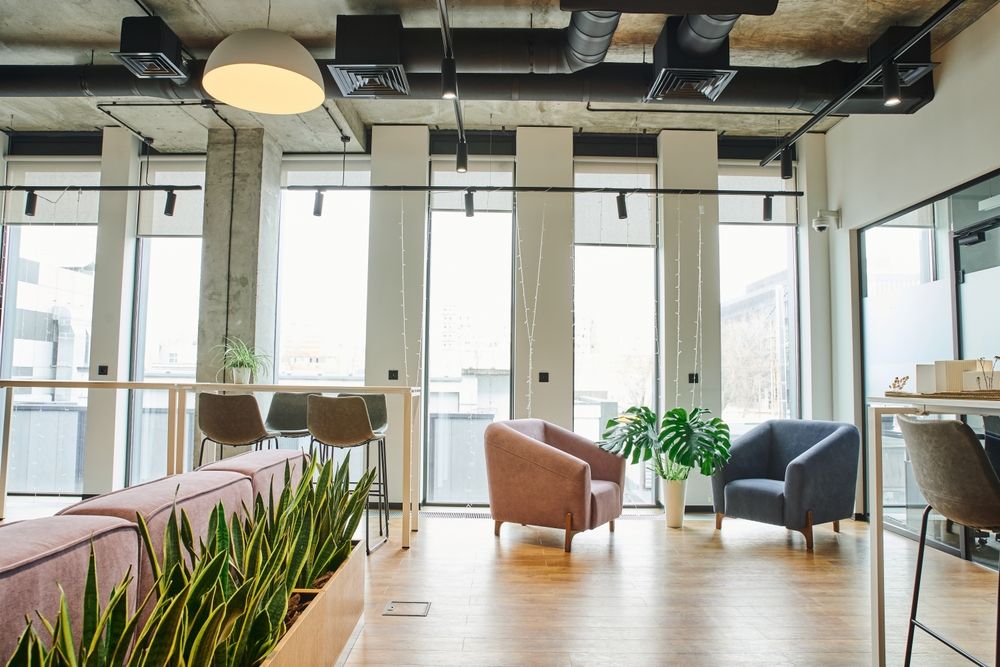
Health and well-being play an increasingly significant role in society today. This has given rise to a new trend in architecture and design known as the Well Building Standard, or simply the Well Building Mega Trend. This trend focuses on designing spaces prioritizing the health and comfort of the people living or working in them. It’s about more than aesthetics—creating environments that actively contribute to physical, mental, and emotional well-being. In this blog, we’ll dive into the principles behind the Well Building Standard, its impact on design, and how it’s shaping the future of the built environment.
What is the Well Building Standard?
The Well Building Standard is a performance-based framework for assessing, certifying, and tracking attributes of the built environment on aspects of human health and well-being. Developed by the International WELL Building Institute (IWBI), it seeks to enhance the quality of the environments in which people live, work, and learn. Current CAD attention is attributed to several dimensions of well-being, such as air quality, water, nutrition, light, exercise, and mental health.
The concept is that buildings are not only needed for a job but can enhance the quality of life of the people who occupy the building by enhancing their physical health, increasing productivity, and improving emotional wellness. The Well Building Standard applies across many spaces, such as residential, commercial, health care, and educational buildings.
Core Principles of the Well Building Standard
The Well Building Standard is grounded in a set of core concepts that promote health and sustainability in the built environment. Let’s explore some of the main categories that make up the standard:
- Air: Indoor air quality is one of the most critical factors in maintaining the health of building occupants. A central focus of the Well Building Standard is proper ventilation, air filtration, and pollution and allergen reduction in the indoor environment. Adequate ventilation (fresh air exchange and reducing exposure to toxic substances) are critical elements that can help maintain a healthy living or workplace.
- Water: Safe and clean drinking water access is a basic human right. By supporting the installation of water filtration systems, the routine servicing of plumbing, and the provision of transparent water source labeling, the Well Building Standard promotes the consumption of purified and safe water.
- Nourishment: Eating healthy is encouraged by making available healthy food choices and designing premises that assist with food preparation and storage. For example, kitchens designed around healthy cooking behavior or office facilities equipped with healthy vending choices can keep individuals on track with healthy eating habits.
- Light: Natural light is crucial to our health, as it helps regulate our circadian rhythm, improves mood, and boosts productivity. WBS (the Well Building Standard) promotes design such that light is maximized from daylight exposure and that artificial light is flexible to accommodate the requirements of its occupiers.
- Fitness: Promoting physical activity is a core element of the Well Building Standard. Inversions of environmental architecture for exercise, e.g., fitness facilities, walking paths, stairways, etc., promote exercise for positive physical health and mental well-being. The integration of movement and relaxation spaces can mitigate stress and promote wellness.
- Mind: Mental well-being is just as important as physical health. In the design of spaces, the Well Building Standard advocates for spaces that alleviate stress and mental fatigue and promote relaxation. This can include features such as quiet zones, noise control, and opportunities for mindfulness and meditation.
- Comfort: Comfort in the built environment is vital for well-being. The standard emphasizes the role of acoustic comfort, thermal comfort, and ergonomic design. This guarantees that spaces are comfortable and helps to promote physical and mental well-being.
The Role of 3D Laminates in Well Building Design
The multifold emphasis on health and wellness in design has brought on hand an increase of requirements for such items (materials) besides being healthful and good in general, but also enriching the surroundings to a healthy environment that is too good for us. 3D laminates are a good case study of how design and health coexist.
- Sustainable and Low-Impact Materials: Many 3D laminates are made from recycled materials or are produced with eco-friendly processes, making them a perfect fit for buildings pursuing Well certification. These laminates help to minimize the environmental footprint of a building and improve the indoor environment.
- Durability and Hygiene: 3D laminates are highly durable and easy to maintain. Their smooth surfaces can be easily cleaned, which helps maintain a hygienic environment. For example, in healthcare or hospitality environments, 3D laminates can train and protect against the transmission of microbes and promote an environment’s overall health and safety.
- Aesthetic Appeal and Mental Health: The visual quality of 3D laminates can positively impact mental health. Textures and finishes replicating natural materials like wood or stone help to produce a relaxing and peaceful environment. This can result in rooms that reduce stress and promote relaxation, an implicit provision for mental health.
- Design Flexibility: 3D laminates can be applied in various uses, from wall panels and furniture to countertops and floors. Physically, their capacity to replicate natural surfaces and finish textures enables designers to include biophilic design elements that enhance the look and feel of a space.
Why the Well Building Mega Trend Is Gaining Traction
The Well Building Mega Trend has been gaining popularity in the past few years because of greater recognition of the importance of health and wellness. An increasing demand for indoor environments that facilitate physical and mental health and emotional well-being exists as people spend more and more time inside, primarily in office buildings, residential colocation facilities, and hospitals.
- A Response to Modern Challenges: The advent of remote work, the pandemic, and the pro-environmental agenda have placed building occupants’ health and well-being at the forefront of every consideration. The Well Building Standard tackles these challenges by providing spaces that give rise to a better quality of life, more effective work productivity, and less stress.
- Increasing Focus on Employee Well-Being: Employers are also putting their money into healthier work environments to enhance employee satisfaction and productivity. By taking its focus from aspects of welling spaces up important building elements, the Well Building Standard’s attention is presenting employers with an opportunity to establish spaces that enhance employees’ well-being and performance.
The Well Building Mega Trend is changing the paradigm of interior design and construction as we know it. This trend is paving the way for a more sustainable and holistic approach to design by prioritizing the health, comfort, and well-being of building occupants. Laminate can serve many purposes, from decorative laminate to adhesive peel-and-stick laminate. From exploiting eco-friendly (e.g., 3D laminate) materials through natural light management and finding spaces for mental de-stressing, the Well Building Standard is becoming a builder of environments that promote a better quality of life for everyone.
At SSI North America, we are proud to offer innovative materials that align with the principles of the Well Building Standard. Through sustainable, healthy product choices, you can build environments that look good but serve the purpose of improving the lives of all and sundry users. Contact us today for more information.

Comments are closed.